

1 September, 2026 | Blog post written by RON NG
healthy home
Breathe Easy: A Guide to Low-VOC Teen Bedroom Furniture for a Healthy Sanctuary
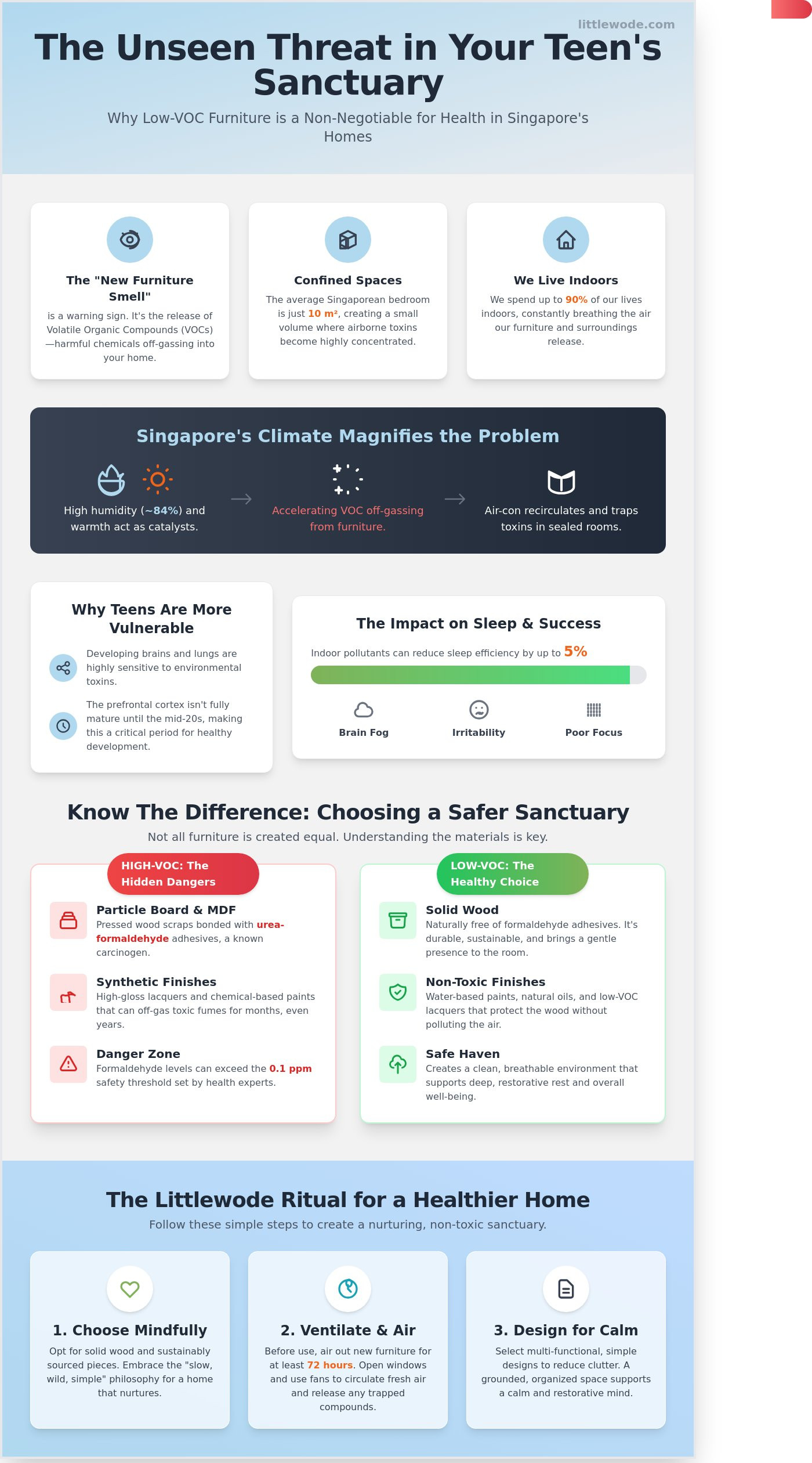
What if the very sanctuary you created for your teenager’s rest is quietly compromising their well-being? In many Singaporean homes, where the average bedroom size is now roughly 10 square meters, that sharp “new furniture smell” isn’t just a nuisance; it’s a sign of volatile organic compounds (VOCs) trapped in a small, poorly ventilated space. You want a room that feels like a gentle embrace, yet finding low-VOC teen bedroom furniture that meets their evolving style can feel like an impossible search through a forest of synthetic materials.
We understand your desire to protect their health while honoring their growing independence. It’s a common worry among mindful parents who know that we spend 90% of our lives indoors, breathing in whatever our surroundings release. You’ll discover how to curate a non-toxic, nurturing sanctuary using sustainable materials that soothe the senses and respect the earth. This guide explores the safest finishes, the ritual of choosing mindful pieces, and how to select furniture that grows alongside your teen for years to come.
Key Takeaways
- Understand why the “new furniture smell” is often a sign of off-gassing and how to protect your teen’s sanctuary from hidden chemicals.
- Learn how Singapore’s humidity and enclosed air-conditioned spaces can affect indoor air quality, requiring a more mindful approach to ventilation.
- Discover the importance of choosing low-VOC teen bedroom furniture crafted from solid wood to bring a gentle, non-toxic presence into your home.
- Explore how multi-functional, simple designs can reduce clutter and create a grounded space for your teenager to rest and restore.
- Embrace the Littlewode ritual of “slow, wild, simple” living by selecting sustainably sourced pieces that nourish the soul and the earth.
What is Low-VOC Furniture and Why Does it Matter for Teens?
The scent of a new bedroom set often feels like a fresh start. Yet, that familiar ‘new furniture smell’ is actually a chorus of Volatile Organic Compounds (VOCs) escaping into your home. These chemicals vaporize at room temperature, drifting through the air in a process called off-gassing. For a growing teenager, these invisible vapors are more than just a scent; they’re guests in a space meant for healing and growth. In Singapore’s humid climate, where average indoor humidity stays around 60 to 80 percent, this chemical release can actually accelerate, making the choice of Low-VOC teen bedroom furniture a vital decision for your home’s air quality.
Teenagers are in a unique stage of biological transition. Their lungs and brains are still developing, with the prefrontal cortex not fully maturing until their mid-20s. This rapid growth makes them more sensitive to environmental toxins than adults. To nourish their potential, we embrace a slow, wild, simple approach to the home. This philosophy values the purity of materials, ensuring that the sanctuary where they spend nearly ten hours a day is free from harsh industrial interference.
The Hidden Impact of Off-Gassing on Teen Sleep
Poor air quality does more than cause a stuffy nose. A 2021 study published in Science of The Total Environment found that indoor pollutants can reduce sleep efficiency by up to 5 percent. For a student at a Singaporean secondary school facing a heavy exam load, this lost rest compounds quickly. When VOC levels are high, sleep becomes shallow and restorative cycles are broken. This disruption often leads to morning brain fog, irritability, and a decline in academic focus. Creating a clean sanctuary allows the maturing mind to settle into deep, healing rest without the burden of processing airborne irritants.
Common VOC Sources in Standard Bedroom Sets
Modern furniture is often a cocktail of hidden chemicals. To understand what enters your home, consider these common culprits:
- Industrial Glues: Many mass-produced sets use urea-formaldehyde adhesives to bond wood scraps together.
- Particle Board: Cheap pressed wood often contains formaldehyde levels exceeding 0.1 parts per million, the safety threshold recommended by many health experts.
- Synthetic Finishes: High-gloss lacquers and paints can release toxic fumes for months, or even years, after purchase.
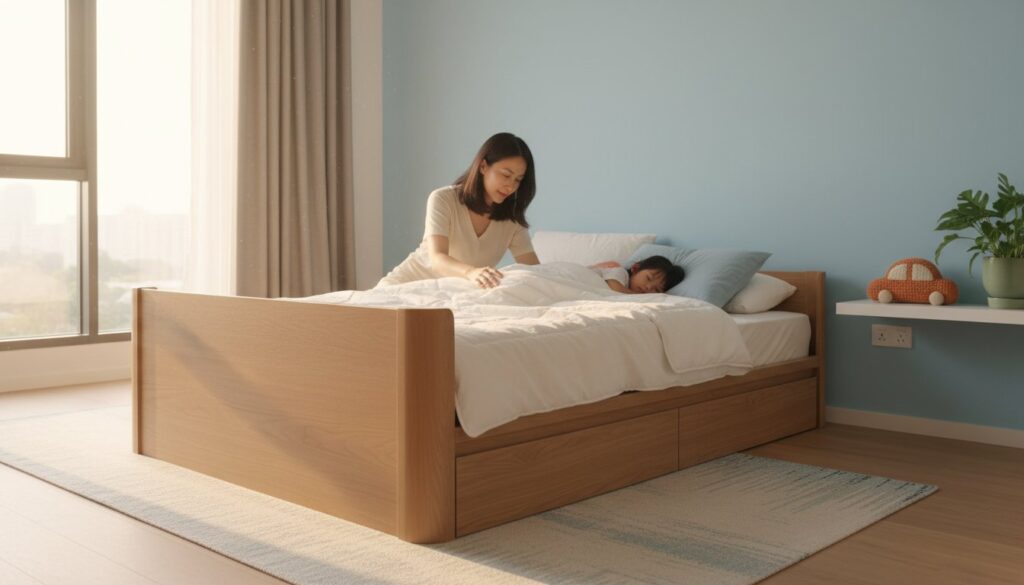
Choosing Low-VOC teen bedroom furniture is a gentle ritual of intention. It moves away from the ‘fast furniture’ cycle and toward pieces like the Tatum single storage bed, which focuses on solid builds and safer finishes. By selecting non-toxic materials, you’re bringing the quiet wisdom of the natural world into your child’s room, fostering a space that truly breathes.
The Science of Indoor Air Quality in Singapore’s Climate
In the quiet corners of our homes, a silent exchange happens between our furniture and the air we breathe. Singapore’s tropical heart brings a unique challenge to this relationship. Our high humidity and constant warmth don’t just sit on the skin; they reach into the fibers of our belongings. This environment requires a mindful approach to what we bring into our children’s sleeping spaces.
Humidity and Chemical Vaporisation
High temperatures and heavy moisture levels act as catalysts that significantly increase the rate at which volatile organic compounds (VOCs) escape from synthetic finishes into your teen’s sanctuary. Standard lacquers and pressed woods often react poorly to our local 84% average relative humidity. This moisture softens chemical bonds, allowing formaldehyde and other vapors to drift more freely into the room. When new pieces arrive, try a slow ritual of airing to help the space settle. Open every window for at least 72 hours and use a standing fan to encourage the air to move outward before your teen begins using the room.
Creating a Breathable Space in Small Bedrooms
Most HDB common bedrooms measure between 9 and 12 square meters, creating a confined volume where air can easily become stagnant. While we often rely on air conditioning to escape the heat, these systems typically recirculate the same air rather than replacing it with fresh oxygen. This cycle builds up chemical concentrations over time, especially during the eight hours a teenager spends sleeping. Choosing low-VOC teen bedroom furniture is a more grounded approach because it removes the burden from the air entirely. It’s about starting with purity rather than trying to clean up a mess later with expensive machinery.
To invite more life and natural filtration into the room, consider introducing “plant allies” like the Snake Plant or Peace Lily. These botanical friends work quietly to absorb toxins through their leaves and roots. However, even the most vibrant plants cannot overcome the heavy off-gassing of low-quality adhesives. Prioritizing solid wood and water-based finishes ensures the room remains a place of restoration. If you’re looking for a bed that respects this need for clean air, the Casey bed offers a simple, sturdy foundation for a restful night.
- Source Control: Selecting furniture with certified low emissions is 40% more effective than relying on portable HEPA filters alone.
- Natural Flow: Aim for at least 15 minutes of cross-ventilation daily, even if you prefer using the air conditioner at night.
- Slow Release: Understand that off-gassing isn’t a one-day event; in tropical climates, it can persist for several months if the base materials are poor.
Choosing Sustainable Materials: A Guide to Non-Toxic Craftsmanship
Choosing Low-VOC teen bedroom furniture starts with a deep respect for the materials that share our space. When we bring a piece of the forest into a home, we invite a quiet strength that composite boards cannot mimic. Pressed woods like MDF or plywood often rely on urea-formaldehyde glues to hold their fibers together. These hidden chemicals can off-gas for several years; a process that peaks in Singapore’s warm, humid climate. Solid timber avoids this need for heavy chemical adhesives. It offers a cleaner, more honest breath for your child’s sanctuary.
The Wisdom of Solid Timber
There is a grounding energy in solid wood. It feels steady. Unlike hollow panels that feel cold to the touch, solid timber handles the vibrant, often restless energy of a growing teenager. It doesn’t chip or peel away at the edges. The natural grain provides a tactile ritual for the senses. Touching the surface of a bed like the Tatum Single Storage Bed reminds us of the earth’s slow, rhythmic growth. It’s a sturdy companion for late-night study sessions and deep, restorative rest. Natural wood is a living material; it breathes with the room.
Understanding Water-Based Paints and Finishes
Traditional oil-based varnishes often carry a sharp, biting scent that lingers in the hallways. These fumes are the physical manifestation of volatile organic compounds. Water-based finishes offer a more gentle path for the home. They nourish the wood grain and protect the surface without polluting the air your teenager breathes. For teens with sensitive respiratory systems or sensory heights, a low-odour room is essential. It allows their minds to settle into a peaceful state without the invisible distraction of chemical vapours. These finishes are durable enough to withstand daily life while remaining kind to the earth.
To ensure your home remains a place of healing and health, look for these specific markers of craftsmanship:
- Greenguard Gold Certification: This is a rigorous standard. It ensures the furniture meets strict chemical emission limits for indoor air quality.
- FSC-Certified Timber: This confirms the wood comes from forests managed with a gentle hand and a focus on long-term renewal.
- Water-Based Pigments: These provide vibrant colour for Low-VOC teen bedroom furniture without the need for harsh solvents.
- Natural Durability: Solid wood can be sanded and refinished. This gives the piece a lifespan that lasts well into adulthood.
In Singapore, we often keep our windows closed to enjoy the cool of the air conditioning. This makes the purity of our indoor air even more vital. Choosing natural materials is a simple, mindful act of love. It creates a bedroom that doesn’t just look beautiful; it feels light and life-giving.
Designing the Teen Sanctuary: Functional and Mindful Solutions
The shift from a childhood bed to a sophisticated teen system is a quiet rite of passage. It marks a moment where a room transforms from a place of play into a personal sanctuary for reflection and growth. Choosing Low-VOC teen bedroom furniture allows this transition to happen without introducing the harsh chemicals often found in mass-produced pieces. By selecting multi-functional designs, you reduce the number of individual items in the room. This naturally limits the potential for off-gassing while creating a breathable, open environment that nourishes a young adult’s wellbeing. It’s about creating a space that feels light, airy, and grounded.
Maximizing Space with Low-VOC Loft Beds
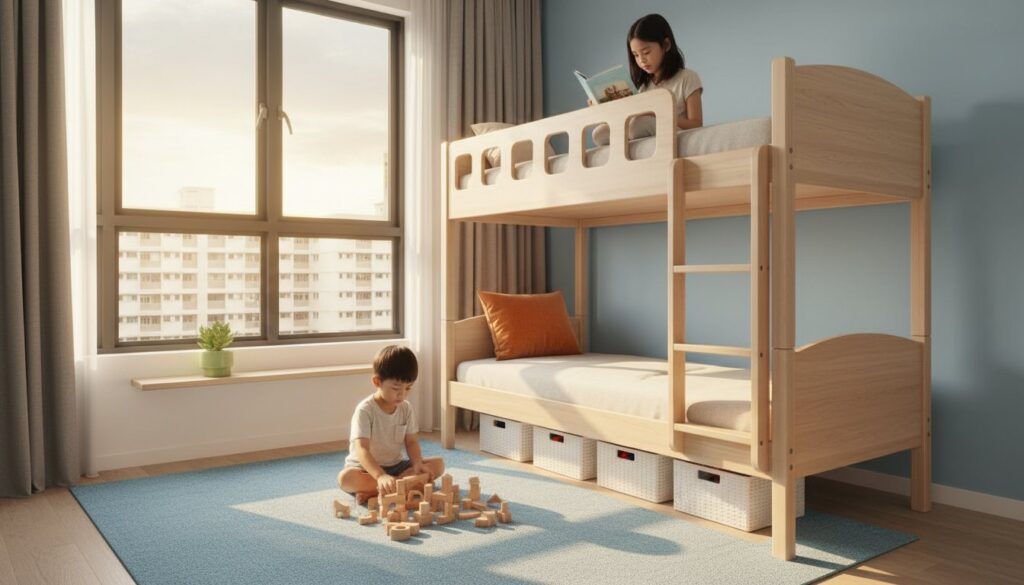
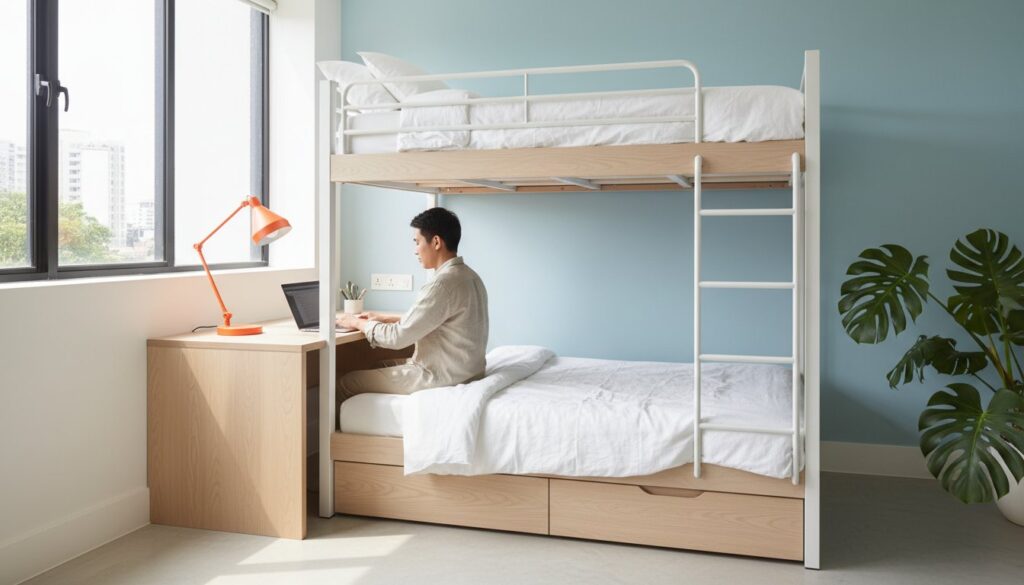
In Singapore’s compact living spaces, verticality is a gift. The New England Modular Loft Bed offers a mindful way to reclaim floor area. It creates a private ritual space beneath the sleeping platform, perfect for a quiet study nook or a soft seating area for reading. These modular designs are crafted to be sturdy and safe, ensuring that the air remains pure as your teen sleeps and works. For rooms with more unique or narrow configurations, the Nordic Premium Angle Bed provides a versatile solution that fits into corners with a gentle, organic grace. These pieces aren’t just furniture; they’re the architecture of a calm, organized life.
Sustainable Storage for an Organized Mind
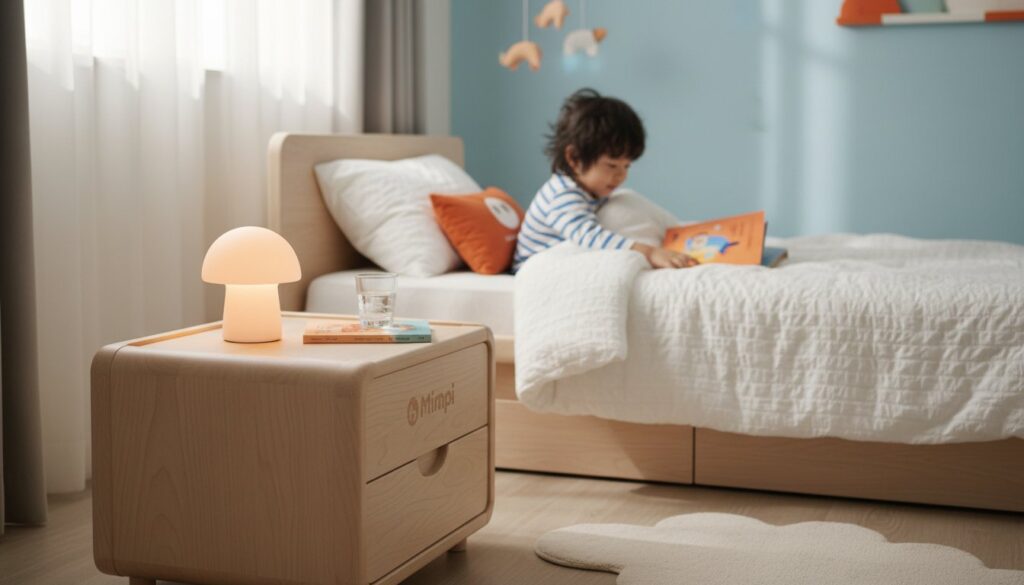
A tidy room often leads to a peaceful mind. The Tatum Single Storage Bed helps keep daily clutter tucked away, using hidden drawers to maintain a serene atmosphere. It’s vital to choose wardrobes and chests finished with non-toxic, water-based coatings to ensure clothing stays fresh and free from chemical scents. The Casey chest serves as a timeless companion through these growing years. Its simple lines and low-emission finish mean it won’t need to be replaced as trends change, honoring a slower, more sustainable way of living. Investing in quality pieces that grow with your child prevents the waste of frequent replacements, keeping your home’s footprint light and gentle on the earth.
Ready to create a healthy, tranquil space for your teen? Explore our full range of mindfully crafted bedroom solutions today.
The Littlewode Ritual: Nurturing Your Teen with Gentle Furniture
At Littlewode, we embrace a philosophy of slow, wild, and simple. It’s a commitment to bringing the quiet wisdom of the woods into your home through furniture that respects both the earth and your family. When you choose low-VOC teen bedroom furniture, you’re doing more than just decorating a room; you’re creating a sanctuary for your child’s growth. We focus on sustainable sourcing and non-toxic manufacturing because we believe a home should be a place of healing. Our pieces aren’t rushed through a factory line. Instead, they’re part of a mindful process that prioritizes your teen’s well-being over mass-market speed.
Investing in artisan-led furniture is a long-term gift for your child. While 70% of budget furniture might need replacing within three years, our pieces are built to endure a decade or more of use. This durability reduces waste and ensures the air in your home remains pure for years to come. It’s a gentle way to transition your teen into adulthood, surrounded by materials that nourish rather than harm.
Crafted for Peace of Mind
Every piece we offer is handmade with a level of care that machines simply can’t replicate. Our artisans treat the timber with reverence, ensuring every edge is soft and every surface is safe. If you visit our Singapore showroom, you’ll notice the difference immediately. You won’t find the sharp, stinging scent of formaldehyde common in 85% of conventional furniture stores. Instead, you’ll encounter the gentle, earthy aroma of real wood. We see ourselves as a plant ally, helping you bring the soothing energy of nature indoors to support your teen’s rest and focus.
Start Your Teen’s Healthy Room Journey
Creating a non-toxic environment is a slow ritual, not a race. You don’t need to change everything at once. Start with the most important pieces, like the bed where they spend eight hours every night. This gradual shift makes the transition manageable and intentional. Use this checklist as you begin your upgrade:
- Confirm the use of solid wood instead of composite materials like MDF.
- Verify that finishes are water-based or derived from natural oils.
- Look for certifications that guarantee low chemical emissions.
- Choose timeless designs that won’t be outgrown in 24 months.
Taking these steps ensures your teen’s room is a place of true restoration. If you’re ready to make a mindful change, Explore our curated collection of teen bedroom furniture and discover how gentle furniture can transform your home.
Nurture Your Teen’s Space with Intentional Choices
Choosing the right surroundings for your growing teen is a gentle act of love. Since indoor air pollutants are often 2 to 5 times more concentrated than outdoor air, selecting low-VOC teen bedroom furniture is a vital step for a healthy home. In Singapore’s humid climate, where average humidity stays around 80%, these mindful choices prevent the buildup of harsh chemicals in enclosed spaces. You’re creating a sanctuary where they can truly rest and breathe deep.
At Littlewode, we believe in the power of slow, simple living. Our collection features 100% sustainably sourced solid wood and water-based, non-toxic finishes that honor the earth’s natural beauty. We’re proud to offer one of Singapore’s largest selections of modular teen beds, designed to adapt as your child grows through every season of life. Every piece is crafted to soothe and restore, turning a simple bedroom into a grounding ritual of wellness and quiet peace.
Discover our range of sustainable, low-VOC teen furniture and begin the journey toward a more natural, nurturing home today. Your teen deserves a space that’s as kind to their health as it’s to the planet.
Frequently Asked Questions
What exactly does ‘Low-VOC’ mean for furniture?
Low-VOC refers to products that contain a reduced amount of Volatile Organic Compounds. These are chemicals like formaldehyde that turn into gas at room temperature. For furniture to be considered safe, it typically contains fewer than 50 grams per litre of these compounds in its finishes. Choosing low-VOC teen bedroom furniture helps keep the air in your child’s sanctuary pure and gentle, allowing them to breathe easily while they sleep.
How long does it take for new furniture to stop off-gassing?
Most off-gassing happens within the first 30 days after a piece enters your home. However, some materials like particle board can release smaller amounts of chemicals for up to 5 years. Opening windows for 2 hours daily during the first month helps these gases find their way back to the earth. It’s a slow process of clearing the air to create a more mindful space for your teenager.
Is solid wood always low-VOC?
Solid wood is naturally low-VOC, but the finishes applied to it determine the final safety level. While the timber itself is a gift from the earth, a coat of standard polyurethane can contain 450 grams of VOCs per litre. Look for solid wood pieces treated with plant-based oils or water-based lacquers. These gentle finishes preserve the wood’s spirit without introducing harsh chemicals into the bedroom.
Can I smell VOCs, or are they odourless?
You can often smell a “new furniture” scent, but many harmful VOCs are completely odourless. Formaldehyde has a sharp, pickle-like smell at high concentrations, yet it remains invisible to our senses at lower, still-harmful levels. Trusting certifications rather than your nose is a more sincere way to protect your teen. It ensures their room remains a quiet, healthy ritual of rest.
Are low-VOC furniture pieces more expensive than standard ones?
You might pay 10 to 20 percent more for low-VOC teen bedroom furniture compared to mass-produced options. A standard study desk might cost S$300, while a non-toxic version often begins around S$360. This small increase reflects the cost of higher quality, natural materials and slower, artisanal crafting methods. Investing in these pieces is a nurturing choice for your child’s long-term well-being and peace of mind.
Which certifications should I look for when buying non-toxic furniture in Singapore?
Look for the Singapore Green Label, which is managed by the Singapore Environment Council. Other trusted markers include GREENGUARD Gold and the FSC (Forest Stewardship Council) certification. These labels prove the furniture meets strict limits, such as keeping formaldehyde emissions below 0.05 parts per million. Seeking these signs is a simple way to bring the wisdom of nature safely into your home.
Can air purifiers remove VOCs from a bedroom?
Only air purifiers with a thick activated carbon filter can trap VOCs; standard HEPA filters cannot. A high-quality purifier with 2 kilograms of carbon can help cleanse the air in a 20-square-metre room. While these machines help soothe the environment, they work best when paired with furniture made from plant allies. It’s about creating a holistic, slow, and simple space for growth.
How can I tell if my teen’s current furniture is off-gassing?
You can check for off-gassing by using a handheld VOC monitor, which costs about S$80 to S$150 in Singapore. If your teen experiences unexplained headaches or eye irritation that improves when they leave the room, the furniture might be the cause. Checking labels for “pressed wood” or “MDF” often reveals the presence of urea-formaldehyde glues. Replacing these with earth-friendly alternatives restores harmony to their personal ritual of rest.